We fight the illegal wildlife trade in Morocco by raising awareness and developing conservation initiatives that are inclusive, fair and sustainable. We mobilise public opinion, support the authorities in wildlife confiscations and rehabilitate and release wildlife.
We use social and natural science research methods to develop practical, people-friendly conservation strategies that work. Starting in our primary study area in Bouhachem, north Morocco, over 10 years ago, we have built strong relationships with the people who share the forest with Barbary macaques. Without their knowledge and support, we would be unable to succeed.
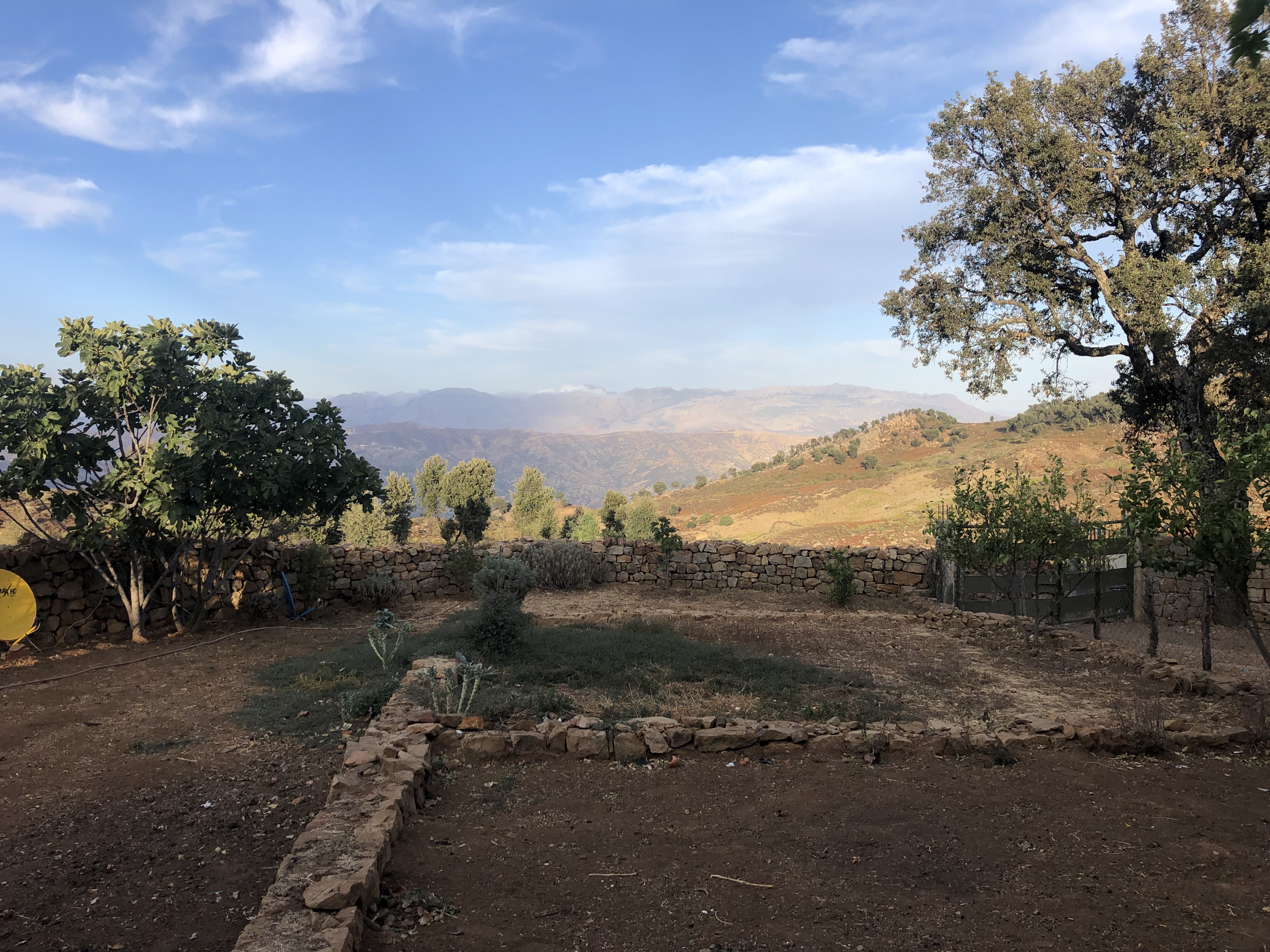
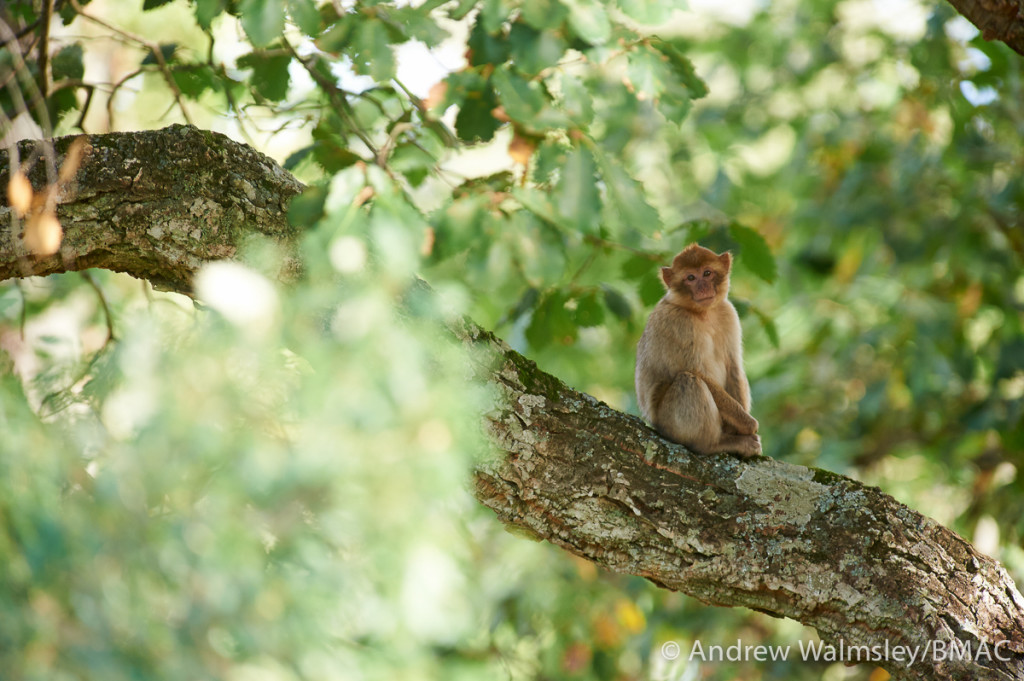
Our field work is based in the forest of Bouhachem, the last stronghold of truly wild Barbary macaques in Morocco. In the field, we monitor macaque populations and, with the help of local shepherds, take notes on what they eat and their whereabouts in the forest.
In addition to our field work, we work with local authorities to enforce confiscation of illegally caught Barbary macaques. We believe in working closely with local communities for truly inclusive conservation.
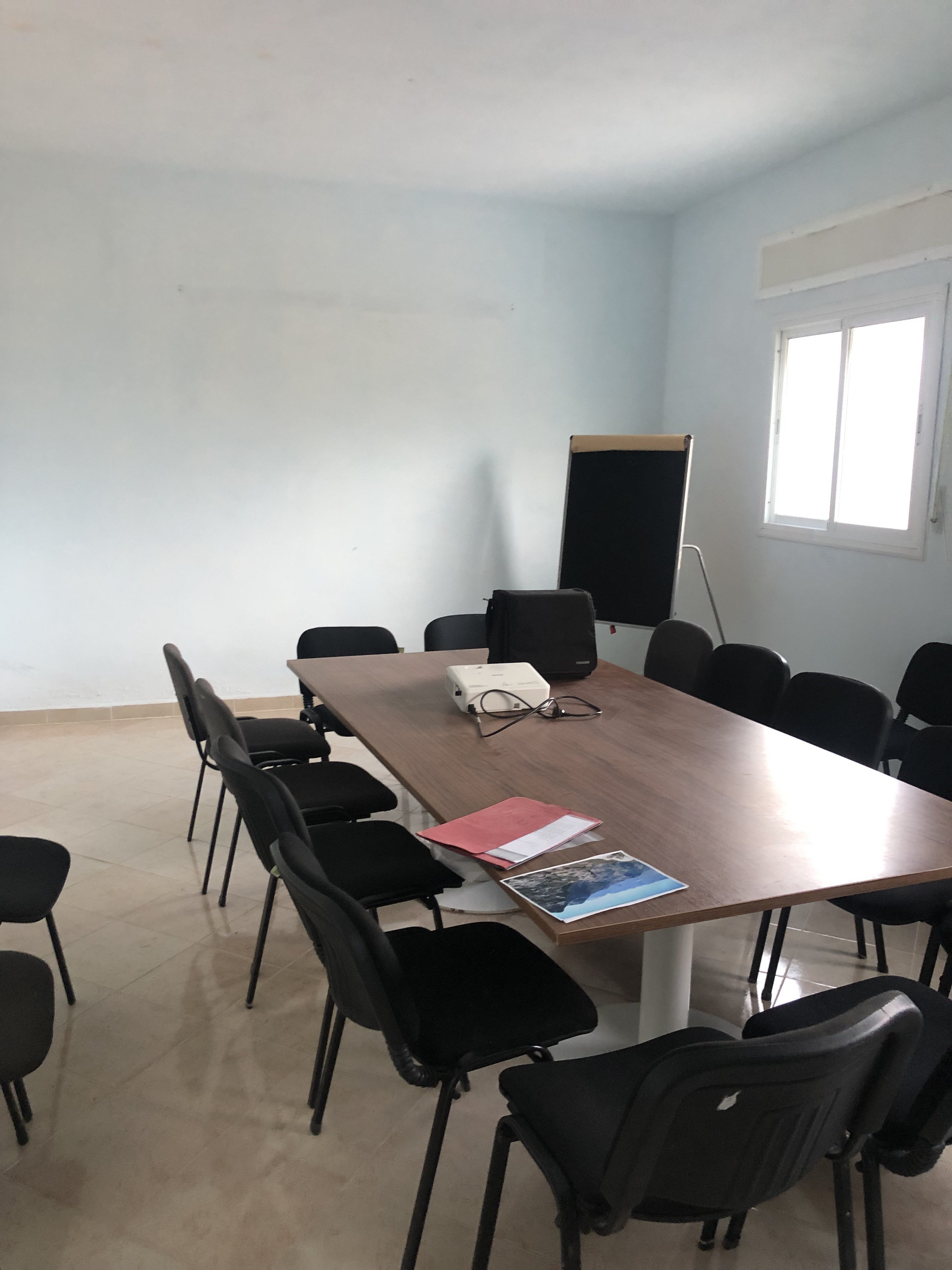
Our Conservation Centre constructed close to the forest of Bouhachem includes accommodation for the BMAC and BMCRif team as well as ensuite study bedrooms for visiting researchers and volunteers. We have a classroom where presentations and training workshop take place and we are able to provide catering.
Bouhachem is a stronghold for this Endangered Barbary macaques, which are threatened by habitat destruction and degradation (due to agriculture, mining/ quarrying, logging), trapping for the illegal pet trade, human recreation (tourism) and climate change. Barbary macaques are subject to unmanaged tourism in at least three sites in Morocco and in Gibraltar, used as photo props in some Moroccan tourist destinations, and traded as pets, making them an excellent example of human-primate interactions in the Anthropocene.
Contact us bmacaque@gmail.com if you are interested in finding out about conducting an biocultural conservation field course in Bouhachem forest.